6 minutes, 10 seconds
-781 Ver 0 comentario 0 me gusta 0 Reviews
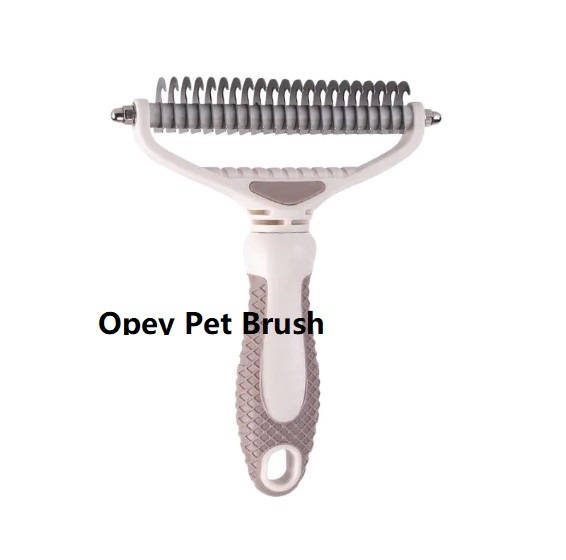
A thoughtful production environment changes a good grooming tool into a great one. In the controlled setting of a purpose-built Opey Pet Brush Factory , design decisions from bristle geometry to handle ergonomics are validated at scale, ensuring consistent quality across every unit. When engineers and craftsmen collaborate closely in that Opey Pet Brush Factory, small improvements—like a subtly tapered filament or a cushioned backing—become standard features rather than one-off upgrades. This article examines how factory design, material selection, and testing protocols translate into better grooming experiences for pets and easier routines for owners.
A factory optimized for pet brush production focuses on repeatability. Jigs, molds, and assembly fixtures enforce precise alignment of bristles and backing plates so that each brush delivers the intended contact pressure and coverage. Workflow layout minimizes contamination during assembly, and controlled curing ovens or bonding stations ensure adhesives set uniformly. When a product is manufactured in such a disciplined environment, field variability—things like early bristle wear or uneven backing collapse—is dramatically reduced, which means customers get reliable performance week after week.
Raw material choices shape durability and user comfort. High-resilience polymer filaments retain their shape through many grooming sessions and resist breakage; thermoplastic elastomers on handles provide grip without inducing wrist strain. A good factory sources polymer grades rated for UV resistance and repeated washing, and it maintains strict incoming inspection routines to prevent material drift from affecting the finished tool. Molding tolerances, sink marks, and flash are monitored because subtle surface defects can cause friction or snagging on delicate fur.
Testing in the factory should mirror real-world use. Mechanical endurance tests simulate hundreds of brushing sessions to reveal bristle fatigue, while salt-spray or humidity chambers evaluate corrosion-prone metal parts. Bristle pull tests verify retention, and torque checks ensure handles remain secure. Representative field trials with varied coat types—short, long, curly, double-coated—validate that the brush performs across the spectrum of pet fur. A strong QC loop captures customer feedback, feeding improvements back into design and process adjustments.
Tallfly’s approach blends efficient automation with targeted manual operations that add value. Automated molding and trimming ensure precise geometry, while hand-inspection stations identify subtleties that machines can miss—like the exact feel of bristle flex against a paw. Skilled technicians can perform final smoothing, pair-matching for set products, and careful packing that protects the finish. This hybrid model keeps volume up while preserving the tactile qualities that owners and pets notice immediately during grooming.
A modern factory balances throughput with environmental stewardship. Recycling waste polymers, choosing low-VOC finishes, and optimizing packaging reduce the ecological footprint. Localized sourcing of key subcomponents shortens lead times and reduces transport emissions, while transparent supplier audits enforce labor and environmental standards. Scalability planning ensures that quality systems—like supplier qualification and batch traceability—remain robust as production increases, protecting product consistency and consumer trust.
A considered packaging design prevents deformation during shipping and communicates care instructions clearly. Modular packaging that supports refillable inserts or replacement parts reduces waste and enhances product life. From a logistics perspective, batch coding and serialization streamline returns and warranty claims, and responsive after-sales support encourages trust. A factory that integrates these logistical elements into its process ensures customers receive not just a product, but also a dependable ownership experience.
Operator training is crucial: well-documented assembly procedures and regular skill refreshers maintain quality even as personnel change. Production metrics like defect rates and yield feed continuous improvement cycles, while cross-functional teams—including design, production, quality, and customer service—interpret field feedback into actionable changes. This institutional learning prevents regressions and accelerates innovation, keeping the brush ahead of evolving pet-care needs.
When a grooming brush originates in a facility where material selection, process control, and human oversight are prioritized, the result is a product that owners can use daily with confidence. Durable bristles, comfortable ergonomics, and predictable cleaning behavior all start on the factory floor. For those seeking a brush engineered and validated through disciplined manufacturing and testing, learn more about product specifications and available accessories at www.tallfly.net/product


En nuestra comunidad creemos en el poder de las conexiones. Nuestra plataforma es más que un simple sitio de redes sociales; es una comunidad vibrante donde personas de diversos orígenes se reúnen para compartir, conectarse y prosperar.
Nos dedicamos a fomentar la creatividad, construir comunidades sólidas y crear conciencia a escala global.




Aquí puede ver una lista de administradores agregados por usted para este documento.