6 minutes, 8 seconds
-576 Ver 0 comentario 0 me gusta 0 Reviews
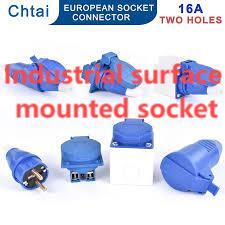
In many production facilities and retrofit projects, the exact siting and protection of a Industrial surface mounted socket can determine how quickly teams respond to faults, and planners often route conduits with the Industrial surface mounted socket location in mind to minimize cable lengths and obstructions. Thoughtful placement at convenient heights, combined with appropriate weatherproofing and mechanical protection, turns a simple outlet into a reliable service point that supports efficient workflows and safer working conditions.
Selecting an appropriate surface-mounted unit begins with understanding the environment. Does the location see frequent washdowns, dust generation, or impact risk from mobile equipment? For wet or washdown areas, choose enclosures with proven ingress protection and corrosion-resistant finishes. In dusty or particulate-prone settings, units with tight seals and recessed receptacles reduce contamination risk. Consider also the electrical rating and connector type needed for the equipment to be served; matching current, voltage, and earthing requirements prevents overheating and ensures compatibility with existing systems.
Robust materials and smart mechanical design extend service life. Thermoplastic housings can offer superior corrosion resistance compared with painted metals in humid or chemical-exposed locations, while reinforced polycarbonate or glass-filled nylon provides impact tolerance where knocks and drops are likely. Where mechanical damage is a concern, protective guards, collar plates, or recessed mounting reduce the chance of accidental contact. Conduit entries and gland selections must protect cable bending radii and provide strain relief, preventing conductor fatigue and reducing connector loosening over many cycles.
Proper internal wiring is essential for a surface-mounted installation to function safely. Use conductors sized for expected continuous loads, and terminate them to manufacturer torque specifications to maintain low-resistance connections. Dedicated earth connections and continuity checking are non-negotiable; easily accessible earth terminals simplify testing. If the outlet serves portable or heavy equipment, consider integrating overcurrent protection or RCDs at the distribution board or within the enclosure where space and regulations permit. Clearly label voltage and phase information on the enclosure to prevent accidental cross-connection by operators or contractors.
Mounting surface-mounted sockets on flat, stable surfaces helps preserve enclosure seals and reduces stress on fixings. Use appropriate fasteners that resist corrosion in the chosen environment — stainless steel or coated screws in coastal areas, for example. Ensure a small clearance around the enclosure for thermal dissipation if the outlet will carry significant continuous current. For portable equipment hubs, provide a secure way to lock or cover unused outlets to prevent ingress and unauthorized use. Pre-commissioning checks should include insulation resistance testing and verification of terminal tightness after an initial run-in period.
Manufacturers that offer clear installation guides and field support reduce the risk of improper application. Nante provides documentation on optimal mounting heights, recommended glands for specific cable diameters, and torque values for terminal screws, which helps installers comply with best practices. Where projects are complex, manufacturer technical teams can advise on custom sealing options, cable entry layouts, or integration of protective devices so that the installed outlet matches long-term operational needs.
Regular inspections catch wear before failures occur. Check seals and gaskets for signs of hardening, cracking, or compression set; replace them to maintain ingress protection. Inspect contact faces for discoloration or pitting, which can indicate overheating or corrosion. Verify that fixing screws remain snug and that cable clamps show no signs of slippage. For systems with intermittent faults, thermal imaging during operation will often reveal hotspots linked to loose connections or overloaded circuits. Keep a log of inspections and repairs — consistent records improve lifecycle planning and budget forecasting.
Modern surface-mounted sockets can be part of a smarter infrastructure. Adding labeled modular blocks, surge protection, or simple condition-monitoring sensors can alert maintenance teams to growing issues before outages occur. When outlets are modular, swapping a damaged faceplate or replacing a socket module becomes faster and less disruptive. Thoughtful early integration of such options yields operational flexibility as site demands evolve.
In conclusion, a well-specified and properly installed surface-mounted outlet delivers dependable service and contributes to safer, more efficient facilities. Consider environmental exposure, material selection, secure wiring practices, and the availability of credible manufacturer guidance when planning installations. For practical step-by-step advice and industry recommendations on installing and maintaining these units, see https://www.nante.com/news/industry-news/nante-announces-practical-guidance-for-industrial-surface-mounted-socket-installations.html


En nuestra comunidad creemos en el poder de las conexiones. Nuestra plataforma es más que un simple sitio de redes sociales; es una comunidad vibrante donde personas de diversos orígenes se reúnen para compartir, conectarse y prosperar.
Nos dedicamos a fomentar la creatividad, construir comunidades sólidas y crear conciencia a escala global.




Aquí puede ver una lista de administradores agregados por usted para este documento.