6 minutes, 10 seconds
-1K Ver 0 comentario 0 me gusta 0 Reviews
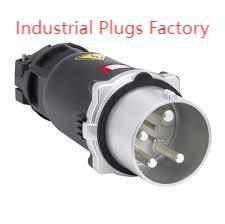
Selecting the right connection system matters in heavy-duty installations — facility teams often specify the Industrial Plug in the middle of a power distribution run to enable safe tool hookup and quick isolation, and reliability engineers value that the Industrial Plug delivers repeatable mating cycles, clear polarizing keys, and straightforward maintenance access that reduce unscheduled downtime. When projects require predictable performance under harsh conditions, understanding ratings, materials, and installation practices becomes the difference between a one-time fix and a decades-long asset.
Begin with a careful assessment of current, voltage, and environmental stresses. Review the device’s rated operating current, dielectric strength, and temperature range — then compare those numbers to expected in-service loads, starting currents for motors, and ambient extremes. Don’t forget ingress protection: choose an enclosure rating that resists dust and liquid exposure appropriate to the site (washdown, outdoor exposure, or dusty production floors). Specifying conservative margins prevents thermal stress and premature contact wear.
Contact metallurgy and surface finishes determine long-term conductivity and wear resistance. Copper alloys with appropriate plating (silver or nickel) balance conductivity with corrosion resistance; gold is reserved for signal contacts where low resistance and oxidation immunity matter. Insulator materials should resist tracking and maintain dimensional stability across the operating temperature span. Consider keyed housings and bayonet or threaded coupling systems to avoid mis-mating and to provide positive mechanical retention under vibration.
Choose connector families that support modular inserts and common mounting footprints so technicians can replace a single module rather than an entire assembly. Vendor-supplied compatibility matrices and spare kits (contact inserts, gaskets, coupling rings) shorten repair times and simplify inventory. Standardize on a limited set of part numbers across sites to reduce spare-part complexity and enable first-visit fixes during critical outages.
Many failures stem from poor installation practice rather than component defects. Use correctly sized conductors, apply ferrules where required, and follow torque specifications for terminals — loose connections create hotspots that accelerate degradation. Route cables to avoid sharp bends, apply strain reliefs at entry points, and separate power and sensitive signal runs to reduce electromagnetic interference. Mark and document each connection for faster troubleshooting.
High inrush currents and continuous heavy loads can produce localized heating. Size contacts and conductors with appropriate derating factors, and if possible arrange for forced ventilation or thermally conductive mounting plates for critical modules. Periodic infrared surveys during commissioning help identify hotspots and confirm even load distribution. For installations with variable load profiles, consider thermal monitoring to capture trends before failures occur.
Insist on protective features such as interlocks, earthing/grounding provisions, and clear polarity labeling. Verify compliance with relevant regional and international standards for current, insulation, and explosion resistance if applicable. In hazardous atmospheres, specify connectors certified for the appropriate gas group and temperature class. Document test certificates, and require vendors to supply type-test reports when safety-critical operation is expected.
Create a short, repeatable maintenance checklist: visual inspection for discoloration or pitting, verification of terminal torque, gasket condition checks, and periodic measurement of contact resistance on critical circuits. Record findings to build component lifetime profiles and plan proactive replacements. Keep a compact field kit with common spare inserts, gaskets, and coupling rings so technicians can restore service on site quickly.
Match connector style to the application: higher IP-rated, thread-coupled connectors for outdoor use; quick-release bayonet types for service carts; shielded multi-pin combinations for mixed power-and-signal panels. When procuring, require precise ordering codes that include insert layout, contact plating, and gasket material. Ask suppliers for lead-time guarantees, revision-control notices, and compatibility lists to avoid surprises during replacement or scale-up.
Typical issues include contact wear from high mate/unmate cycles, corrosion from ingress, and thermal damage from loose terminations. When troubleshooting, inspect contacts for discoloration or pitting, measure resistance across contacts under load, and check mechanical retention features for wear. Many problems resolve rapidly when spare inserts and clear wiring diagrams are available.
A robust connector strategy pairs conservative electrical margins, durable materials, installation discipline, and a sensible spare-part program to create resilient power systems that serve reliably over long service lives. For technical references, standards guidance, and application notes, see https://www.nante.com/news/industry-news/what-is-industrial-plug.html


En nuestra comunidad creemos en el poder de las conexiones. Nuestra plataforma es más que un simple sitio de redes sociales; es una comunidad vibrante donde personas de diversos orígenes se reúnen para compartir, conectarse y prosperar.
Nos dedicamos a fomentar la creatividad, construir comunidades sólidas y crear conciencia a escala global.




Aquí puede ver una lista de administradores agregados por usted para este documento.