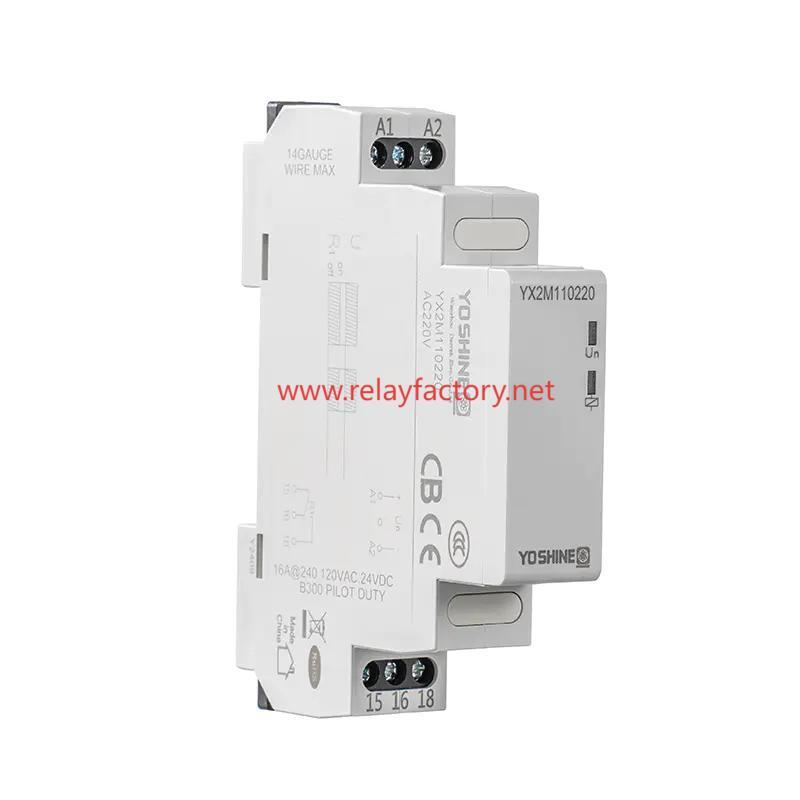
Phase Sequence Monitor Factory selection should begin with the actual requirements of the electrical system rather than product appearance or initial cost alone. Buyers should review voltage conditions, wiring arrangements, phase detection functions, response behavior, installation space, environmental conditions, testing procedures, customization options, and maintenance expectations before placing an order. Relayfactory provides electrical monitoring solutions for industrial applications and supports project discussions based on specific system requirements.
Start With The Electrical System
The first step is to understand where the monitoring device will be installed.
Industrial equipment can contain motors, pumps, compressors, control cabinets, production machinery, and automation systems that depend on correct phase relationships.
A monitoring device can help identify an incorrect phase condition before connected equipment operates.
Buyers should describe the electrical system, power arrangement, expected load, installation location, and intended application.
This provides the supplier with a clearer basis for discussing a suitable configuration.
Review Detection Functions
Different projects may require different monitoring functions.
Some systems may focus on phase order, while others may also need to identify phase loss or related abnormal conditions.
Buyers should define what the device needs to detect before selecting a configuration.
This is particularly important when the product will be integrated with other control equipment.
A clear list of required functions can help the manufacturer match the product with the intended electrical system.
Check Electrical Compatibility
Electrical compatibility should be confirmed before purchasing.
Relevant details can include rated voltage, frequency, wiring arrangement, connection method, and applicable circuit conditions.
The selected product should correspond with the electrical environment where it will be installed.
Buyers should also confirm whether the device is intended for a particular control architecture or monitoring circuit.
Providing complete electrical information can make technical communication easier and reduce unnecessary changes during installation.
Consider Installation Space
Control cabinets are often designed around limited internal space.
Buyers should review the available width, height, depth, mounting structure, terminal position, and wiring access before confirming a product.
A compact monitoring device may be easier to integrate into a crowded cabinet, but physical dimensions should still match the existing layout.
For new equipment, designers can reserve installation space before production. For replacement applications, accurate measurements can help avoid compatibility issues.
Review Connection Arrangements
The connection method should be considered together with the existing circuit.
Buyers can check terminal numbers, wiring direction, connection position, and compatibility with surrounding control devices.
Clear terminal identification can also help installation teams reduce wiring confusion.
For international projects, wiring standards and documentation preferences may vary.
The buyer should therefore provide relevant circuit information before production so the manufacturer can prepare the required configuration and documentation.
Consider Operating Conditions
Industrial environments can differ significantly.
A control cabinet may operate in a clean indoor area, a warmer workshop, a dusty production space, or another environment with specific conditions.
Buyers should describe ambient conditions, enclosure type, installation position, vibration exposure, and expected operating frequency.
This information can help the supplier consider the appropriate construction and installation requirements.
The monitoring device should be selected according to the actual environment rather than a general assumption.
Response Characteristics Matter
When an abnormal phase condition occurs, the response behavior of the monitoring system can affect the wider control process.
Buyers should review the expected response method and how the device interacts with connected equipment.
For some applications, the output may connect with a control circuit that stops or prevents operation.
The exact arrangement depends on the electrical design.
Engineers should therefore define the required control logic before confirming the configuration.
Check Relay Compatibility
Many monitoring applications interact with control relays, contactors, motor controls, or other switching devices.
The monitoring output should correspond with the connected circuit.
Buyers can provide information about the control equipment, expected switching conditions, and wiring arrangement.
This helps the supplier understand how the monitoring device will participate in the complete system.
A coordinated approach can reduce the need for additional circuit changes during installation.
Review Testing Procedures
Testing should be discussed before production.
Possible checks can include electrical characteristics, phase detection behavior, output operation, terminal condition, appearance, and dimensional accuracy.
For customized orders, the approved specification can provide a reference for quality inspection.
Buyers may also discuss sample evaluation or pre shipment inspection depending on the project.
A defined testing process helps purchasing and engineering teams compare delivered products with the agreed requirements.
Consider Customization
Industrial projects can involve special requirements.
Customization may include dimensions, terminal arrangements, mounting methods, wiring structures, labels, or other project related details.
Relayfactory supports electrical monitoring projects and can discuss specific application requirements with buyers.
For customized development, buyers should provide drawings, circuit diagrams, enclosure dimensions, and expected quantities before production.
Complete technical information can help the manufacturer establish a clearer reference for development and manufacturing.
Think About Maintenance
Monitoring equipment forms part of a larger electrical control system, so future service should be considered during selection.
Buyers can review installation accessibility, inspection procedures, replacement methods, and documentation.
For equipment used continuously, maintenance planning may also involve keeping spare units or replacement components available.
Clear product identification can make future purchasing easier when the same configuration is needed again.
Documentation Helps Installation Teams
Electrical installation requires accurate documentation.
Buyers may need wiring diagrams, terminal information, product references, technical specifications, and installation notes.
Clear documents can help electricians and maintenance personnel understand how the device fits within the system.
For international projects, documentation may also need to follow specific formatting or language requirements.
These details should be discussed before production so the necessary materials are prepared with the shipment.
Production Consistency Is Important
For projects involving multiple machines, buyers may need repeated units with the same specification.
Consistency in dimensions, terminals, electrical characteristics, labels, and appearance can make installation and replacement easier.
Suppliers should maintain clear production references for repeat orders.
Approved samples and documented specifications can also help different production batches follow the same requirements.
This is useful for equipment manufacturers and distributors handling multiple projects over time.
Why Consider Relayfactory
Relayfactory provides electrical monitoring solutions for industrial applications and supports discussions involving system conditions, dimensions, wiring, customization, testing, quantities, and delivery requirements.
Buyers can communicate application details before production begins and review samples or technical documents when needed.
For equipment manufacturers, electrical contractors, distributors, and automation companies, supplier evaluation can include engineering communication, production procedures, inspection, packaging, and technical support.
Build A Practical Selection Checklist
Before choosing a supplier, buyers can review electrical compatibility, detection functions, response behavior, connection method, installation space, operating environment, relay compatibility, customization, testing, documentation, maintenance, and repeat order support.
Using the same criteria across several suppliers can make evaluation easier.
For customized projects, circuit diagrams and enclosure drawings can provide useful references during technical discussions.
A structured selection process can help connect the monitoring device with the actual requirements of the electrical system.
Relayfactory provides electrical monitoring solutions for different industrial applications, and related product information can be reviewed at https://www.relayfactory.net/product/stepping-relay/


 Matharusawad
9 minutes, 37 seconds
Matharusawad
9 minutes, 37 seconds