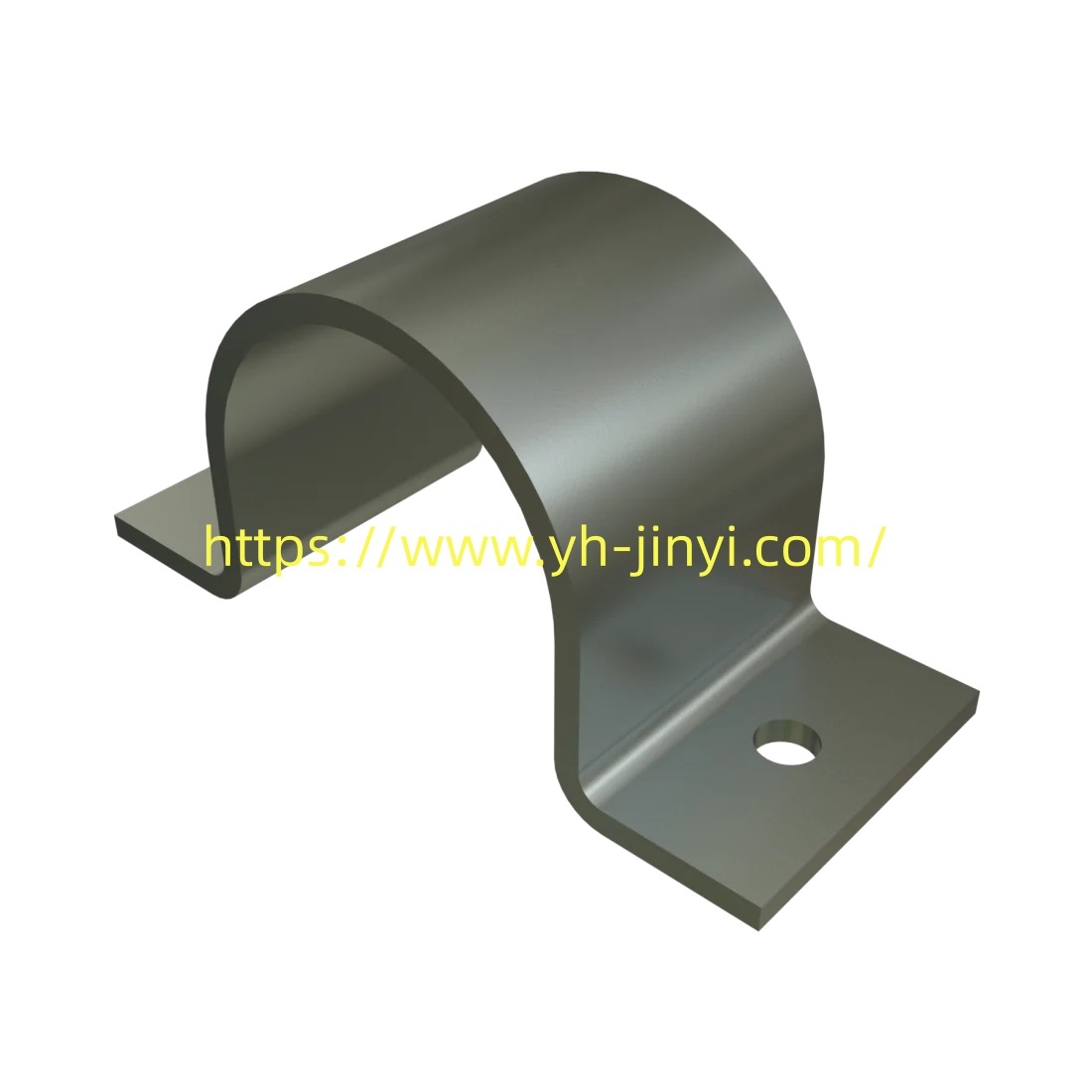
Pipe Strap Factory capabilities can have a meaningful influence on industrial purchasing decisions because price represents only one part of the overall supply relationship. Buyers also need to consider material control, forming consistency, dimensional inspection, customization support, packaging, documentation, and communication. A supplier that can coordinate these areas may make procurement easier for contractors, distributors, maintenance teams, and project buyers. Industry purchasing practices commonly place attention on raw material verification, process control, inspection records, and traceability rather than relying on price comparisons alone.
Material Management Comes Before Production
A finished component begins with the materials selected for production. Buyers should ask how incoming materials are identified, checked, stored, and connected with production records.
Material documentation can help purchasing teams confirm whether the supplied material corresponds with project requirements. For applications involving repeated orders, organized material management can also make it easier to maintain consistency between different production batches.
JINYI can present material selection as part of the purchasing discussion rather than treating it as a separate issue. This gives buyers an opportunity to consider application conditions, installation requirements, environmental exposure, and project expectations before production begins.
Production Process Control Matters
A quotation may look attractive, but the manufacturing process behind it can affect the purchasing experience. Buyers can ask about cutting, forming, punching, bending, surface treatment, and inspection procedures according to the product design.
Production equipment should be suitable for the required manufacturing route. More importantly, the process should be organized in a way that supports repeatable results.
For projects involving many units, consistency can matter during installation. Similar dimensions and predictable forming can reduce unnecessary adjustments when components are used across multiple locations.
Dimensional Inspection Supports Installation
Industrial components often need to fit with existing structures or related hardware. Small dimensional differences can create additional work during installation, particularly when many pieces are being installed across a project.
A useful supplier evaluation should therefore include questions about measuring equipment, inspection frequency, tolerance control, and final checking.
Inspection does not need to be complicated for every application. The appropriate inspection plan should correspond with the product design and project requirements. Documentation can then provide a practical record for purchasing teams.
Manufacturing suppliers in related industrial support fields commonly use dimensional verification, material checks, surface inspection, and final inspection as parts of their quality processes.
Customization Can Reduce Procurement Limitations
Not every project uses identical installation conditions. Different pipe arrangements, mounting locations, structural layouts, and engineering requirements can create variations in the required components.
A production partner with customization capability can discuss drawings, dimensions, material choices, finishing requirements, and packaging instructions before manufacturing begins.
For buyers, this can be more useful than simply choosing from a fixed catalog. Clear technical communication allows both sides to confirm whether a requested design is practical before the order enters production.
Sample approval can also help when appearance, dimensions, or surface treatment need to match an existing installation.
Surface Treatment Should Match Application Needs
Surface condition is another area worth discussing before purchase. Depending on the environment, buyers may have different requirements concerning corrosion exposure, indoor use, outdoor installation, appearance, or handling conditions.
The appropriate treatment should be selected according to the actual application rather than assumed to suit every project.
A supplier should be able to explain available finishing options and identify any limitations associated with particular materials or environments. Clear information at this stage can help buyers avoid making decisions based solely on initial pricing.
Documentation Adds Purchasing Confidence
Industrial purchasing often involves more than receiving the physical products. Buyers may need drawings, material information, inspection records, packing details, order references, or other project documents.
A structured documentation process can make receiving and checking goods easier. It can also support communication between purchasing teams, warehouse staff, installers, and project managers.
When comparing suppliers, buyers can request examples of inspection documents or production records appropriate to their application. This provides a practical way to evaluate how the supplier manages information.
Packaging and Delivery Should Not Be Ignored
Manufacturing quality is only part of the supply chain. Products also need to reach the destination in suitable condition.
Packaging should consider product shape, surface protection, stacking, labeling, and transportation conditions. Clear markings can also help warehouse teams identify different items after arrival.
For international buyers, communication about shipping documents and delivery coordination can be equally useful. A supplier that handles these details in an organized manner may help reduce confusion during receiving.
Communication Can Influence Project Efficiency
A purchasing relationship becomes easier when technical questions receive clear responses. Buyers should consider how a supplier handles drawings, revisions, samples, production updates, inspection requests, and delivery questions.
This is particularly relevant for custom orders. Changes made after production begins may affect schedules and costs, so confirming details before manufacturing can help both parties manage expectations.
JINYI can position communication as part of its industrial supply approach, allowing buyers to discuss project requirements before confirming production.
Why Price Should Not Stand Alone
Price remains an important procurement factor, but it does not provide a complete picture of supplier capability. Buyers can also compare material control, production organization, inspection methods, customization flexibility, documentation, packaging, and communication.
A supplier with clear processes can make it easier for project teams to understand what they are purchasing and how the order will be managed.
For contractors and distributors, this broader evaluation can be especially useful when repeat orders or customized requirements are involved. The goal is not simply to select a lower quotation, but to match the supplier process with the actual needs of the project.
A Practical Approach to Supplier Selection
Before placing an order, buyers can prepare a simple checklist covering material requirements, drawings, dimensions, finish, inspection expectations, packaging, documentation, and delivery arrangements.
JINYI can work with buyers around these areas to create a clearer purchasing process for different industrial applications. Reviewing manufacturing capabilities alongside commercial terms gives project teams a more complete basis for comparison.
For buyers evaluating available products and production support, the company website at https://www.yh-jinyi.com/ can be used as the next step when reviewing product information and planning project requirements.


 Bthanhphuong
8 minutes, 28 seconds
Bthanhphuong
8 minutes, 28 seconds